

For Academic Rigidity: Owlypia as a Bridge to Self - Confidence
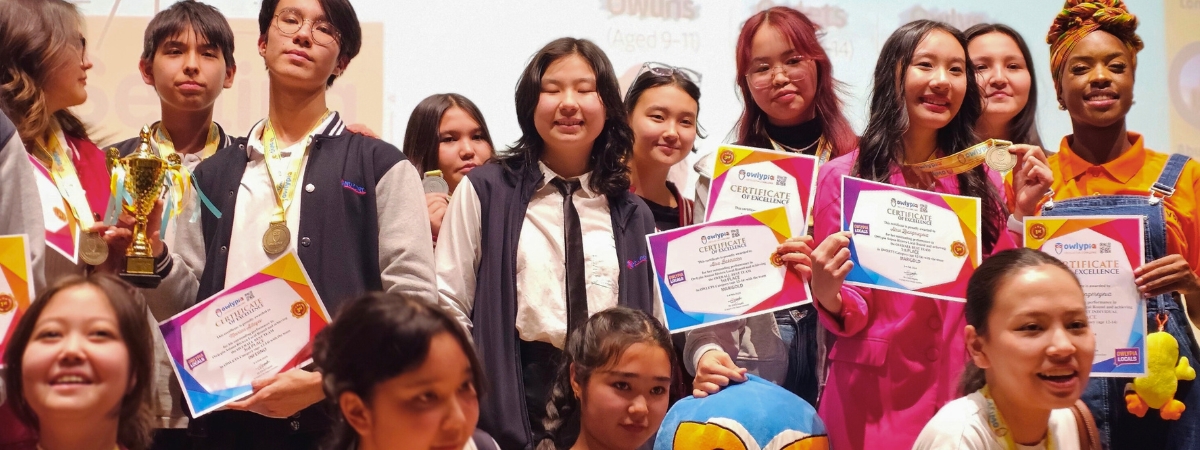
Academic strictness is often praised as a characteristic feature of a good educational program. While the intellectual challenge is undeniably important, building self-confidence in students remains equally critical. The student can excel in facts and samples but still fights the self-confidence needed to present ideas, management of groups or monitoring innovations. Owlypia deals with this gap design of challenges that emphasize academic depth and personal strengthening, thereby acting as a bridge to self-confidence.
One of the key factors that support this process of reliability building is a feeling of success derived from the fulfilment of tasks evoking ideas. Owlypia calls require considerable effort - students must examine topics, interpret data and participate in multiple perspectives. When they managed to summarize a complex article or introduce a convincing argument, they experience a tangible feeling of success. This success, rooted in real intellectual efforts, confirms their abilities and strengthens the belief that I can "do it".
The teamwork component also supports trust. Group tasks allow students to play on their strengths - perhaps one excels in designing visuals, while the other writes eloquently and the third manages the project timelines. The contributing unique team skill nourishes the sense of belonging and value. Over time, even quieter or more reserved students realize that their efforts significantly affect the overall success of the group. Each step, whether it suggests a paragraph or a coordinating brainstorming session, becomes a brick in the establishment of self-confidence.
In addition, Owlypia challenges support speech skills and presentation, key areas where many students have no confidence. Formats of competition often culminate in oral or visual presentations and encourage students to get out of peers, judges or online audiences. Although it may be nervous at first, the supporting environment-which mistakes are perceived as learning opportunities-it makes the students to promote fear around the stage. Gradually, they are clearly learning to articulate ideas and respond effectively to questions, vital skills that strengthen self - esteem and transmit themselves to future academic and professional scenarios.
Another element of the confidence equation is resistance. Not ever skilly challenge will go smoothly, and students inevitably encounter failures-in-team failure, problems with interpreting comprehensive research or suffering of time. Owlypia changes these obstacles as the normal parts of the teaching path. Instructors and mentors control the participants to discuss what has gone wrong, and brainstorming ways to improve. Students facing adversity and appear on the other hand with stronger strategies cultivate growth thinking. Learns that failure does not once define its entire ability; Instead, any failure is an invitation to learn and adapt.
For teachers, weaving Owlypia into the curriculum can transform the atmosphere in the classroom. Students who once avoided their participation will become louder when they realize that their perspectives have merit. Group dynamics tends to flourish because classmates grow respecting each other. In addition to merely increasing the score of the tests, this newly discovered trust can motivate students to take over the leading roles in other school activities - whether IT student council, community service project or art program.
In the end, trust shapes how students see themselves as students and as individuals with the potential to influence the world. By intellectually attacking, providing experience with cooperation and normalizing experiments and errors, it exceeds typical academic benchmarks. Offers students inner bravery that says, "I have the ability to learn, adapt and excel." This authorized thinking is essential for facing not only advanced exchange rate work, but also life decisions, career and interpersonal relationships. When students believe in their skills, they are more inclined to take risks and innovate, the qualities that serve them well long after school days.


Leave a Comment